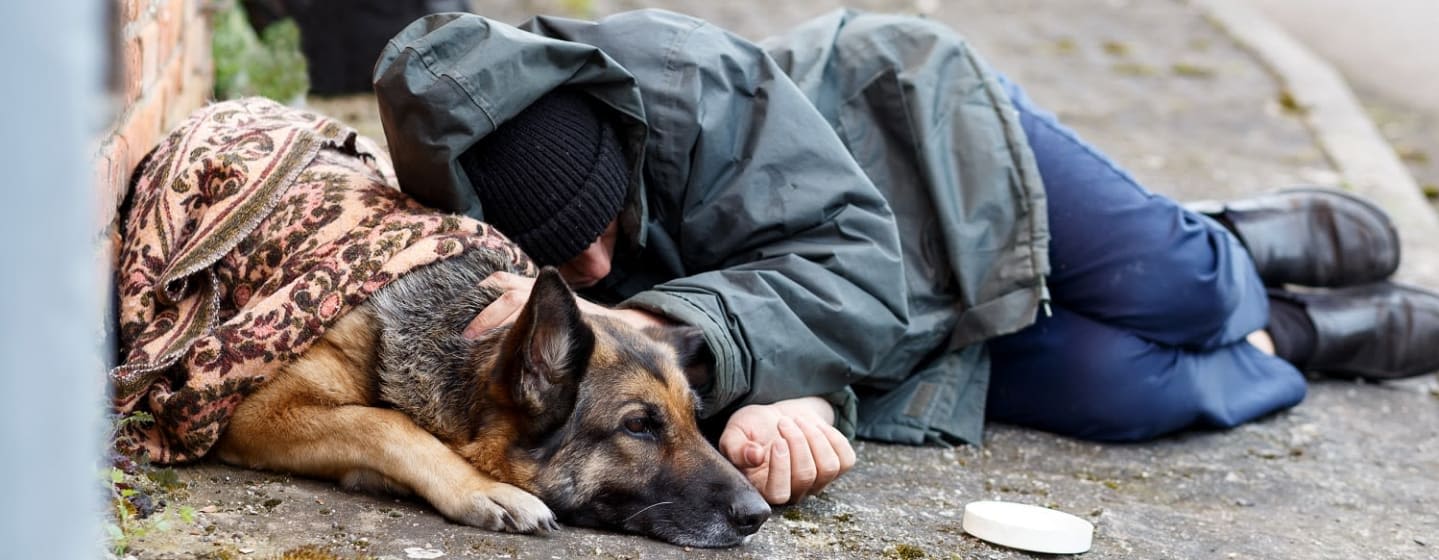
One thing that rarely occurs to us is who the human behind the ‘homeless person’ might be. In a country that invests greatly in honouring those who served their country, it would never occur to us that the homeless person at our feet might be a veteran. With World Homeless Day upon us on October 10th, we all can reflect on this reality this month and maybe this year do more to help.
Many of us will recognise ourselves in this scenario: we walk past a person in a sleeping bag on the street, we think about how cold it is that day, we look at them huddled close to their belongings stuffed into a range of bags and boxes, and we keep walking. Sometimes, we hand over some change, and sometimes, we stop for a chat. Maybe we try to read their sign without them seeing us reading it, and without breaking our stride. Maybe we go buy them a coffee and leave it next to them as they sleep. Whatever our reaction, we are always the ones who walk away better off.
According to the last census (2021), almost 123,000 people were homeless on the night it was held. This includes people living in tents and cars, or sleeping in doorways and laneways. It also includes people sleeping on other people’s couches, in boarding houses or in severely crowded residences. We all know what having a sense of home means to the human spirit, so the idea of sleeping in any of these situations is heartbreaking at best. Yet few of us take the time to consider how a person becomes homeless in the first place.
In many situations, it’s simply a matter of 2 or 3 decisions that didn’t turn out as expected. For others – veterans in particular – life on the streets can be the outcome of a series of events that have significantly altered and impacted a person’s psychological well-being. In research conducted in 2023 and published in the Australasian Psychiatry journal – Veteran homelessness in Australia: What do we know? What has been done? What do we need to do? – some fascinating statistics were brought to light. Researchers found that almost half a million Australians are veterans and of those currently serving, at least 10% (predominantly males) transition back to civilian life each year. Of that 10%, about a third of them are discharged involuntarily (on medical grounds or due to being unfit for duty) and the suicide rate amongst that cohort is 3 times higher than in those who chose to retire.
What’s of most concern about this is that in research conducted in 2019 by the Australian Housing and Urban Research Institute, it was found that veterans are overrepresented in the Australian homeless population. Multiple studies have also shown that the risk of suicide is higher for homeless veterans. It’s the perfect devastating storm.
So what can be done? The World Homeless Day initiative suggests a range of things that everyday people can do to take action – from taking up a collection amongst your community of goods or money to donate to local charities, to writing to local politicians about policy change, or deciding to become a volunteer yourself.
At Veteran Housing Australia, we are dedicated to helping ex-servicemen and women and their families, get help where they need it most: through housing, advocacy, education, relief, and financial support. The support we provide includes temporary crisis accommodation for those without a permanent fixed address, action to get vulnerable people off the streets, essentials cards to cover their basic needs, and support to help them find more permanent housing solutions. We step in to support veterans whenever they need it, including during times of financial hardship, when they need crisis accommodation, and through subsidised or community housing.
At the national level, the Department of Veterans’ Affairs has a number of homeless support options in place. Hopefully, brighter futures are ahead with the Federal Government’s announcement this June of up to $30 million in funding towards the Veteran’s Acute Housing Program to support veterans and their families experiencing, or at risk of, homelessness.
If you are a veteran, know a veteran or are a family member of a veteran who is going through difficulties, you can contact the Australian Government’s Department of Veterans’ Affairs for assistance or contact us at Veteran Housing Australia and we can point you in the right direction.